Why Do People Think Kim Chisara Is an AI Influencer?
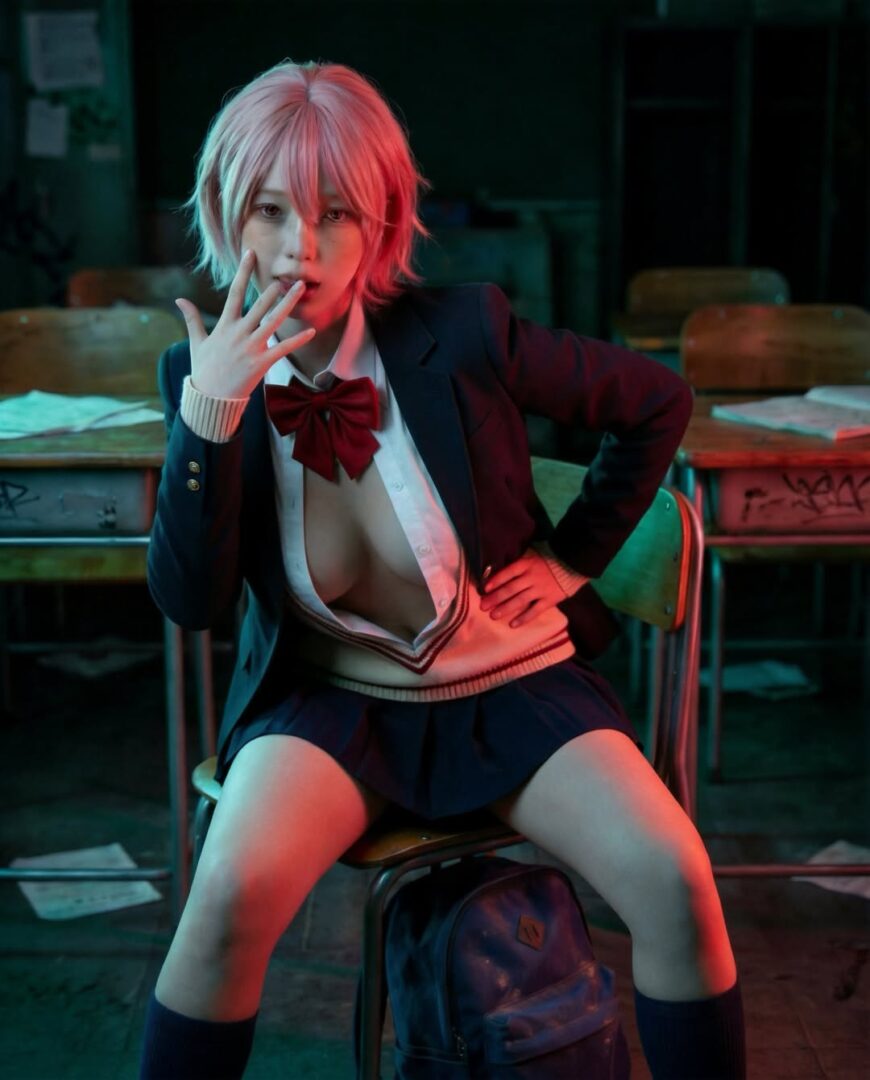
In today’s digital era, where artificial intelligence increasingly shapes photography, beauty standards, and online personas, internet users have become more skeptical than ever about what is real. Among the many creators who have sparked curiosity online, one name repeatedly appears in cosplay and social media discussions: Kim Chisara, known through Instagram as @kim.chisara.
Her visually stunning cosplay images, polished aesthetic, and seemingly flawless appearance have led many followers to ask an unusual question:
Is Kim Chisara actually a real cosplayer—or an AI influencer?
Across social media comments, fan discussions, and cosplay communities, speculation continues to grow. Some viewers are convinced she is entirely real, while others believe her content feels “too perfect” to be human. But why exactly do people think Kim Chisara could be an AI-generated influencer?
This article explores the rumors in a neutral and investigative way, separating observation from assumption while examining the reasons behind the internet debate.
Who Is Kim Chisara?
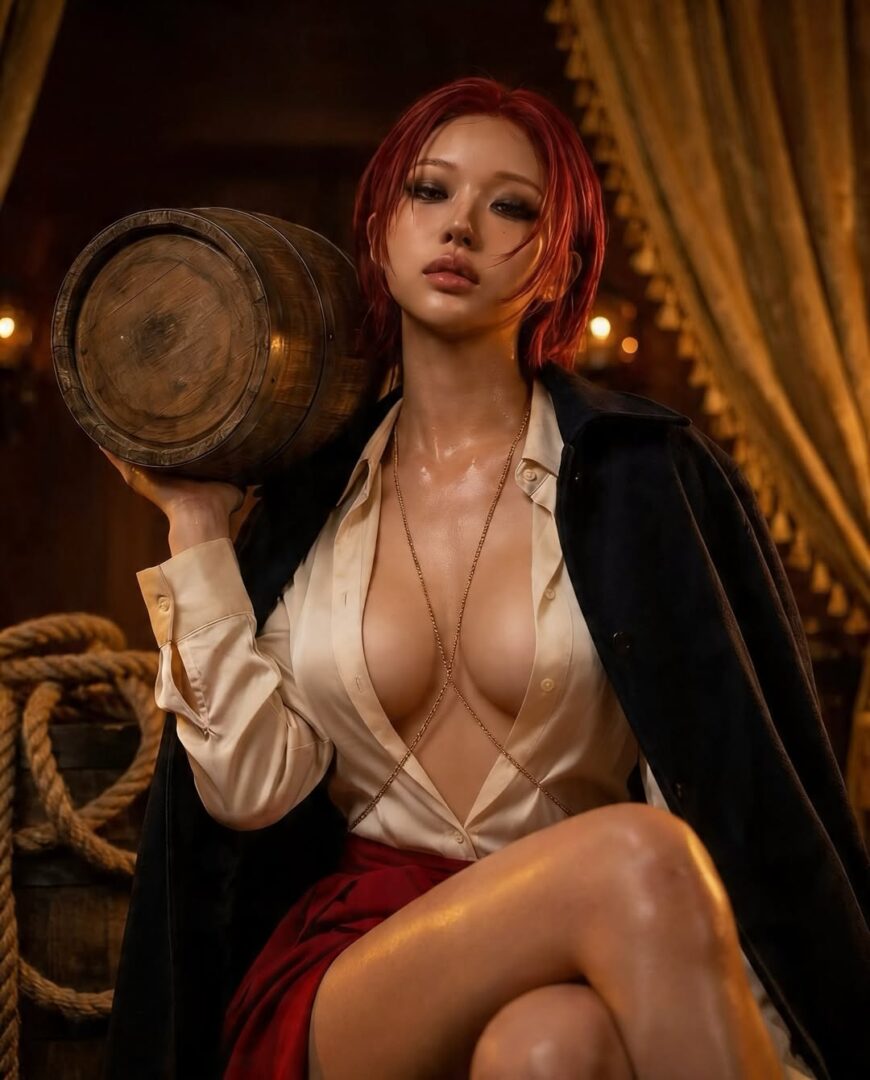
Kim Chisara has gained recognition online for sharing highly stylized cosplay content featuring anime-inspired fashion, carefully crafted aesthetics, and visually refined photography.
Unlike casual content creators who frequently post spontaneous selfies or everyday life moments, Kim Chisara’s online presence appears highly curated. Many of her posts maintain a consistent visual identity, often featuring elegant poses, cinematic lighting, detailed costumes, and a polished beauty style.
For supporters, this consistency reflects professionalism and artistic branding.
For skeptics, however, it raises questions.
1. Her Appearance Looks “Too Perfect”
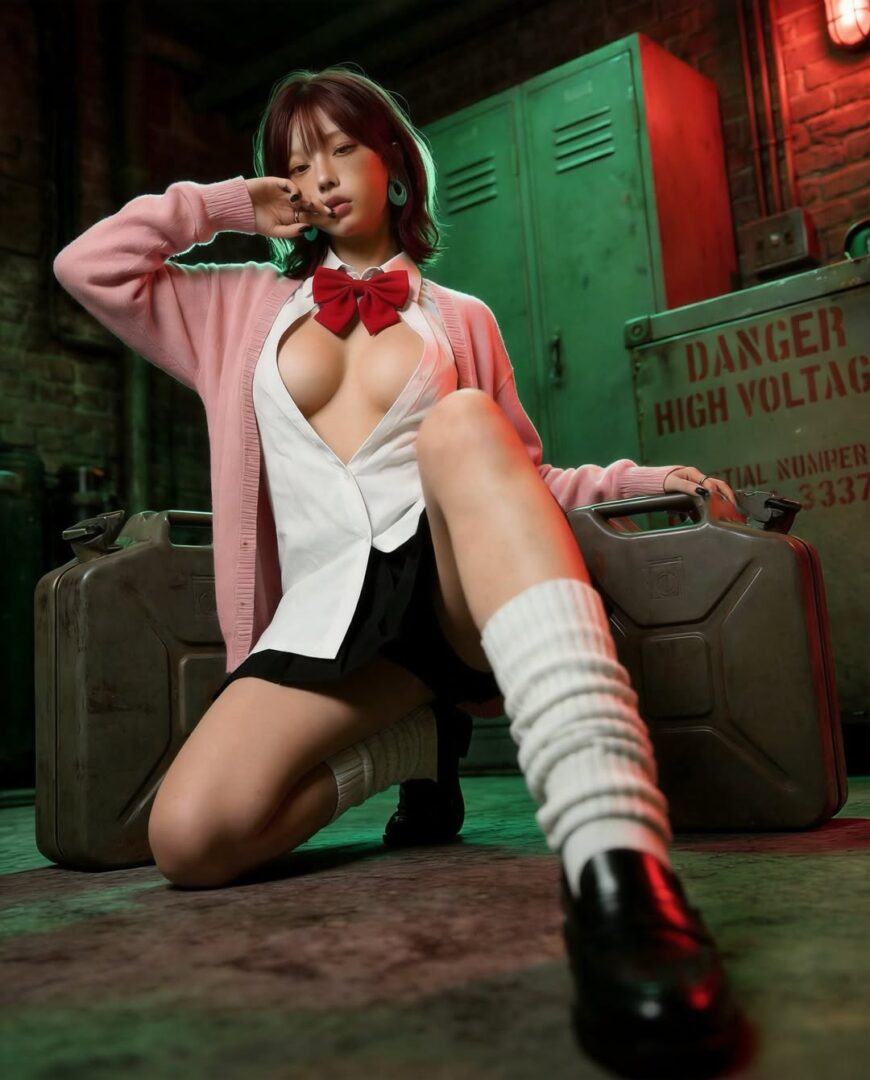
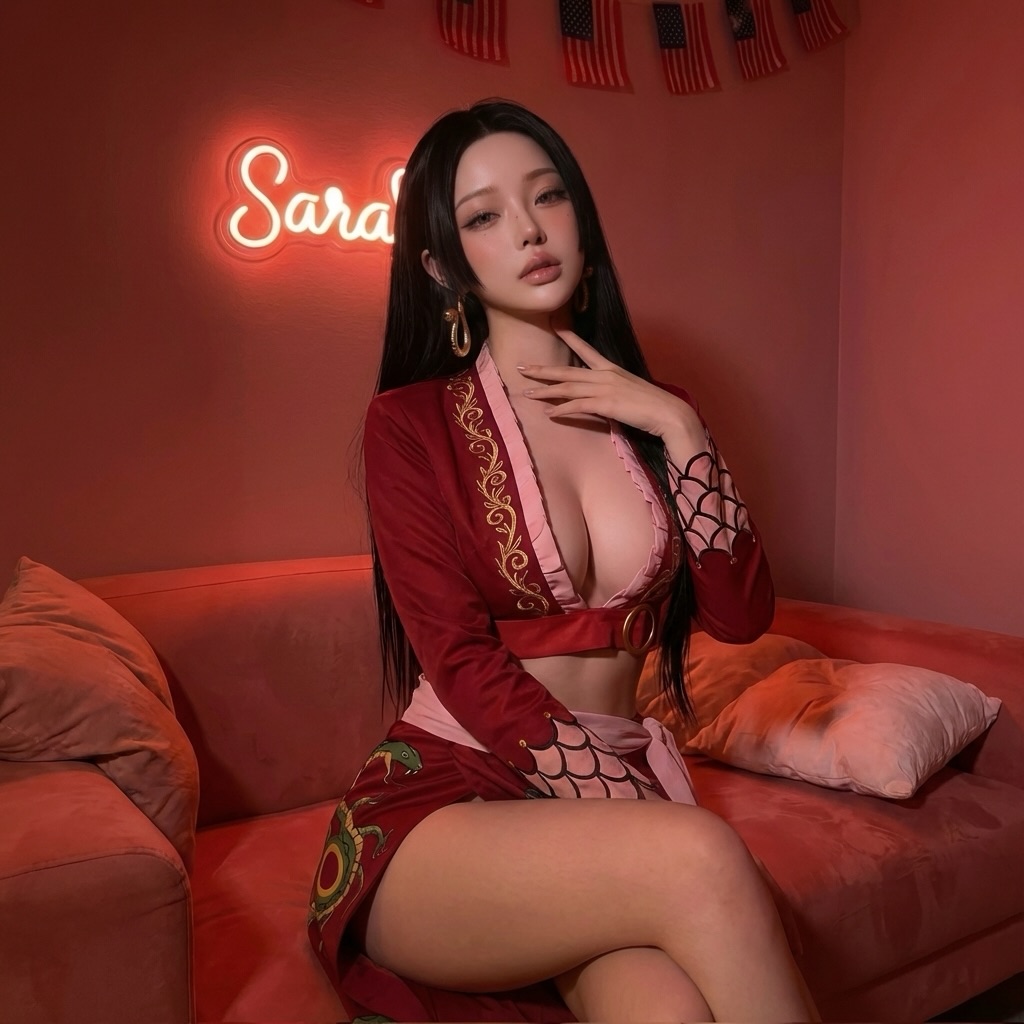
One of the biggest reasons people speculate about Kim Chisara being AI is the extremely polished quality of her visuals.
Followers often point out:
- Smooth skin with almost no visible imperfections
- Symmetrical facial features
- Consistent beauty styling
- Carefully controlled lighting
- Soft-focus photography
To some internet users, this creates what is sometimes called the “uncanny perfection effect”—a feeling that something appears realistic, yet somehow unusually flawless.
In the age of AI-generated influencers and enhanced photography, viewers increasingly associate ultra-perfect visuals with digital creation.
However, appearance alone is not evidence of artificial identity.
Modern creators frequently use:
- Professional photography
- Beauty retouching software
- AI-assisted image enhancement
- Makeup artistry
- Lighting optimization
A real creator can still look digitally perfected online.
2. Her Content Style Feels Highly Curated
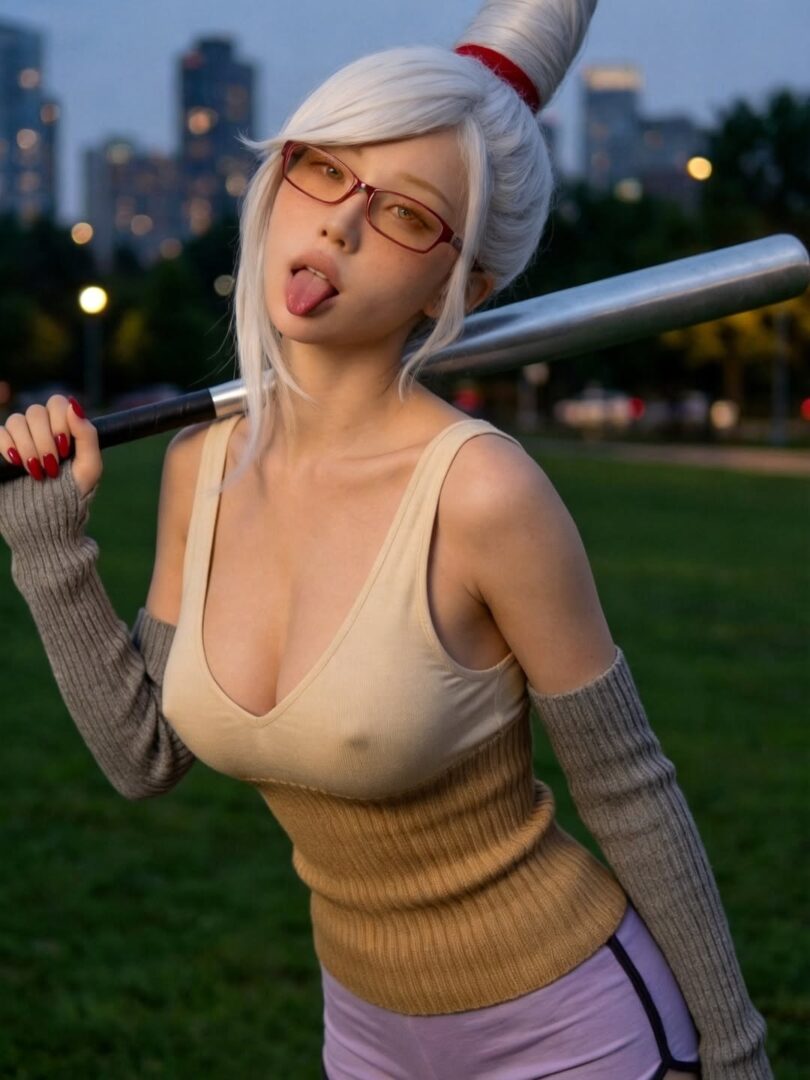
Another reason behind the speculation is the structured nature of Kim Chisara’s content.
Many followers notice that her Instagram feed often maintains:
- Similar aesthetic themes
- Consistent editing quality
- Carefully composed poses
- Minimal randomness
Compared with creators who post casual updates, convention photos, or behind-the-scenes moments, Kim Chisara’s account may appear more controlled.
This sometimes leads internet users to wonder whether the account behaves more like a digital project than a traditional influencer page.
Still, content curation is increasingly normal among cosplay creators.
Many influencers intentionally maintain a highly stylized image to strengthen their personal brand.
3. The Rise of AI Influencers Has Changed Public Perception
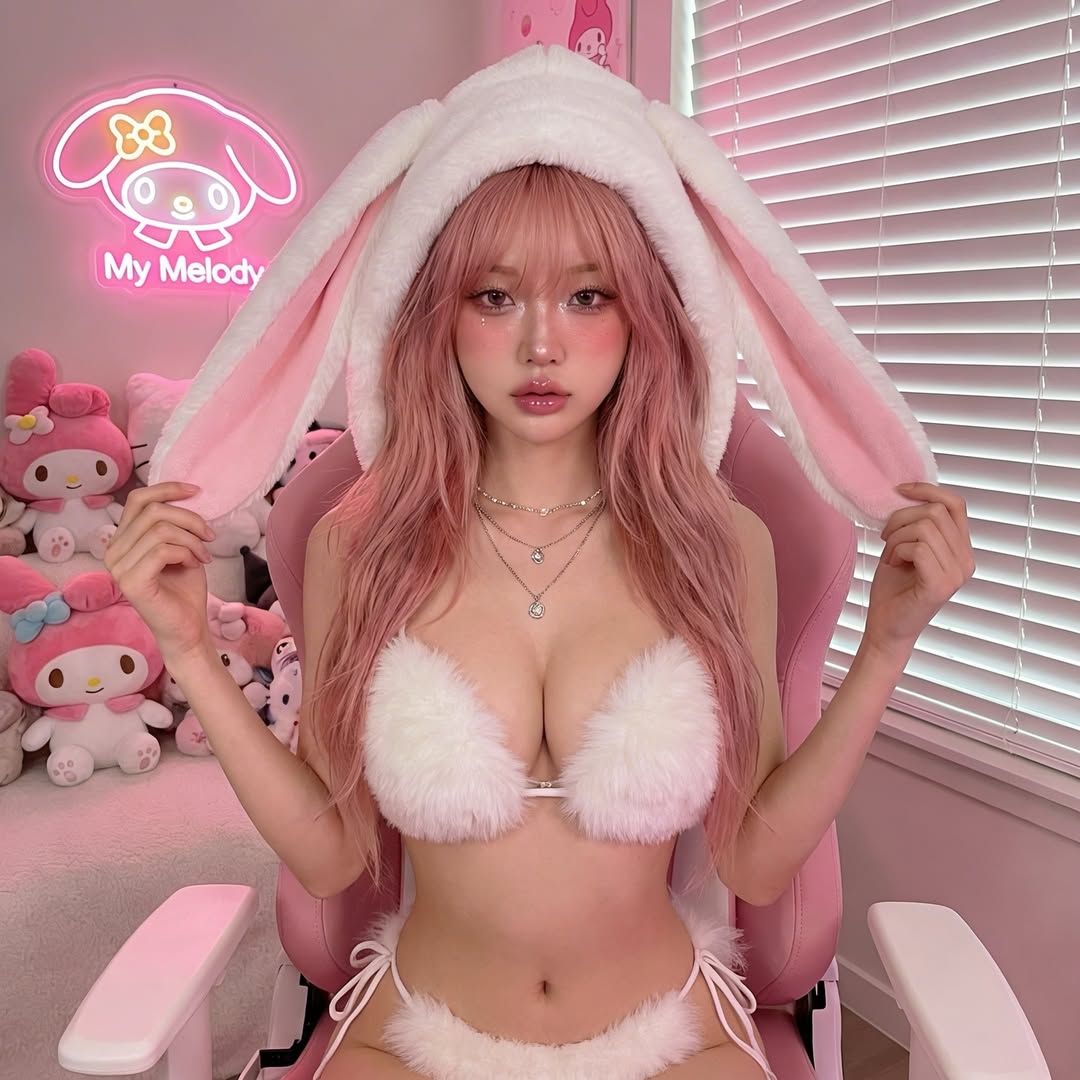
Part of the Kim Chisara discussion reflects a broader internet trend.
Virtual influencers are no longer science fiction. Digital personalities powered by CGI, AI-assisted visuals, and virtual branding have become increasingly popular.
Well-known examples such as Lil Miquela and Imma have shown that audiences are willing to follow personalities who blur the line between fiction and reality.
As a result, internet users are becoming more suspicious of highly polished creators.
Today, if someone looks exceptionally flawless online, comments like:
“Is this AI?”
“This person looks generated.”
“Too perfect to be real.”
have become surprisingly common.
In many cases, this suspicion says as much about changing internet culture as it does about the creator themselves.
4. Limited Casual or Behind-the-Scenes Content
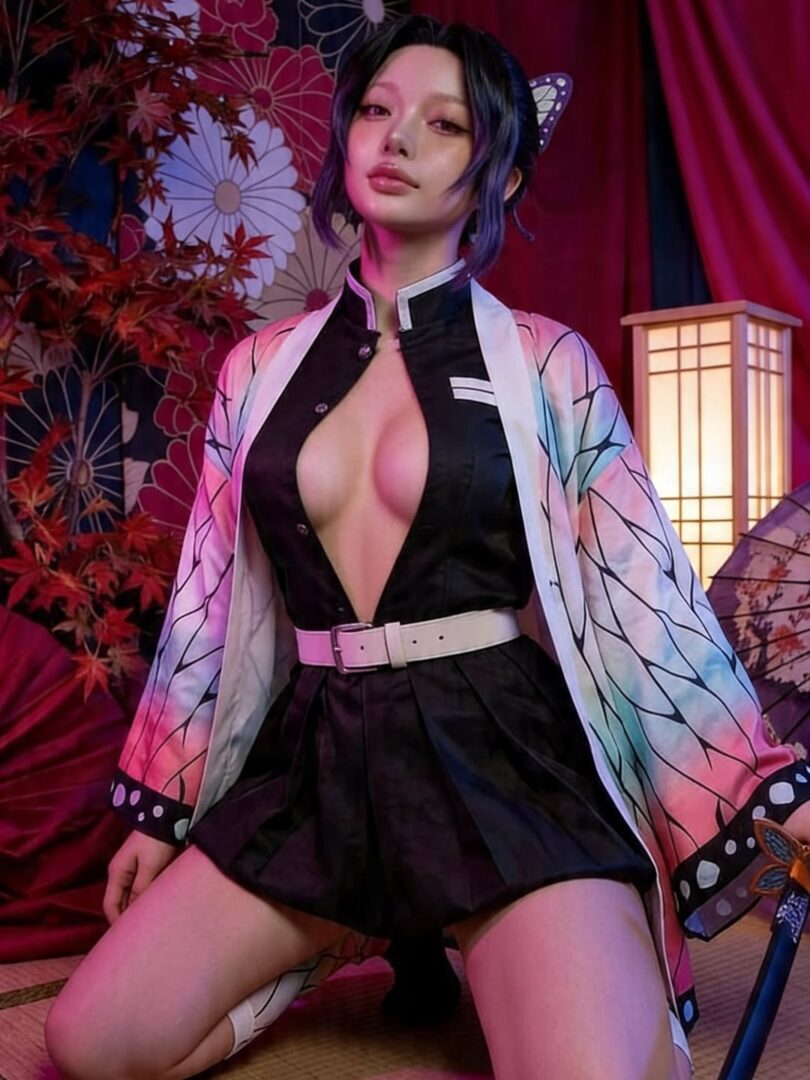
Some viewers also point to what appears to be limited casual content.
In cosplay communities, fans often expect creators to share:
- Convention appearances
- Costume preparation
- Daily-life moments
- Livestream interactions
- Unedited photos
When an account mainly features polished imagery, some followers naturally begin asking questions.
However, privacy preferences and branding choices vary widely among creators.
Not every cosplayer wants to share personal life content publicly.
The absence of casual posts should not automatically be interpreted as proof of a fictional identity.
5. AI-Enhanced Editing Makes the Line Harder to See
Perhaps the most important reason for the speculation is simple:
The internet has changed.
Today, many creators use AI-enhanced editing tools without being AI-generated people.
Features such as:
- Face enhancement
- Skin refinement
- Background improvement
- Lighting correction
- Beauty filters
can dramatically alter a real photograph.
This creates a new gray area where audiences struggle to determine whether someone is entirely artificial, heavily edited, or simply very photogenic.
Kim Chisara may represent this exact phenomenon.
So, Is Kim Chisara Actually an AI Influencer?
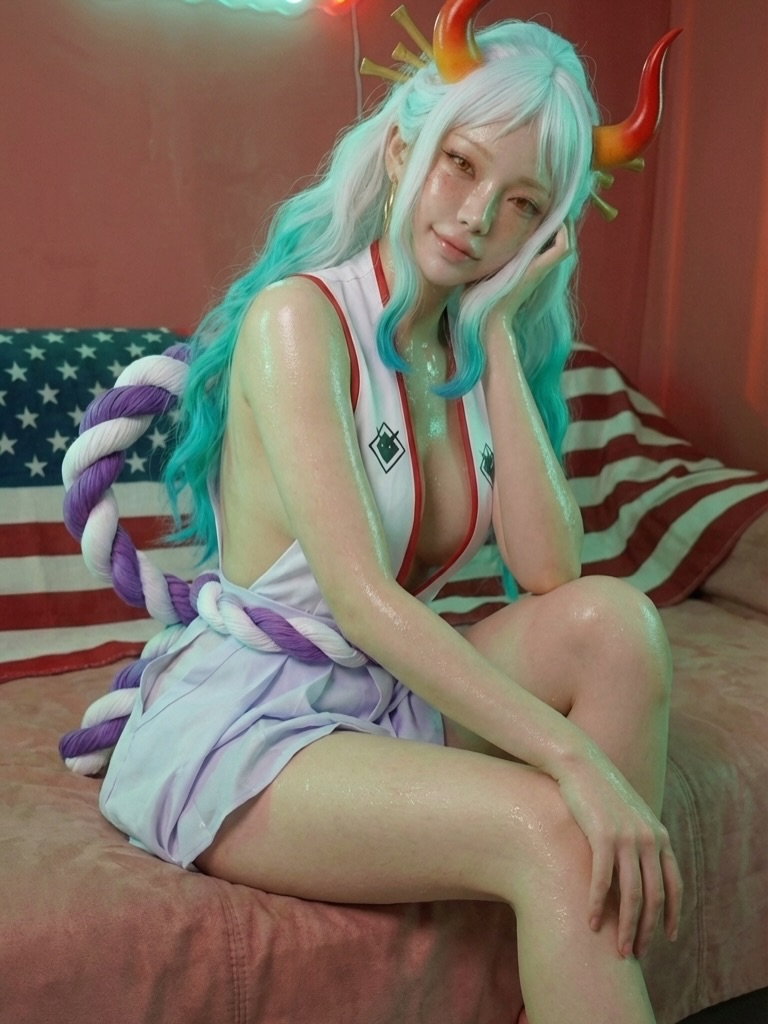
Based on publicly available information, there is currently no verified evidence proving that Kim Chisara is an AI-generated influencer.
Likewise, there is also no confirmed public statement directly addressing the speculation.
What exists instead is a mixture of:
- Internet curiosity
- Visual interpretation
- Rumors among followers
- Assumptions shaped by AI culture
At the center of the discussion is a larger cultural question:
Have beauty filters, editing tools, and AI aesthetics changed how we recognize authenticity online?
For many observers, Kim Chisara has become more than simply a cosplay creator. She represents a growing internet mystery—one that highlights how difficult it has become to distinguish between reality and digital perfection.
Until clearer information becomes available, the answer may remain open-ended.
For now, Kim Chisara continues to exist in an unusual space where cosplay artistry, visual editing, and online mystery intersect—keeping netizens curious and the debate very much alive.