Kim Chisara: AI Influencer or a Real Cosplayer? Exploring the Rumors Around Instagram’s Mysterious Creator
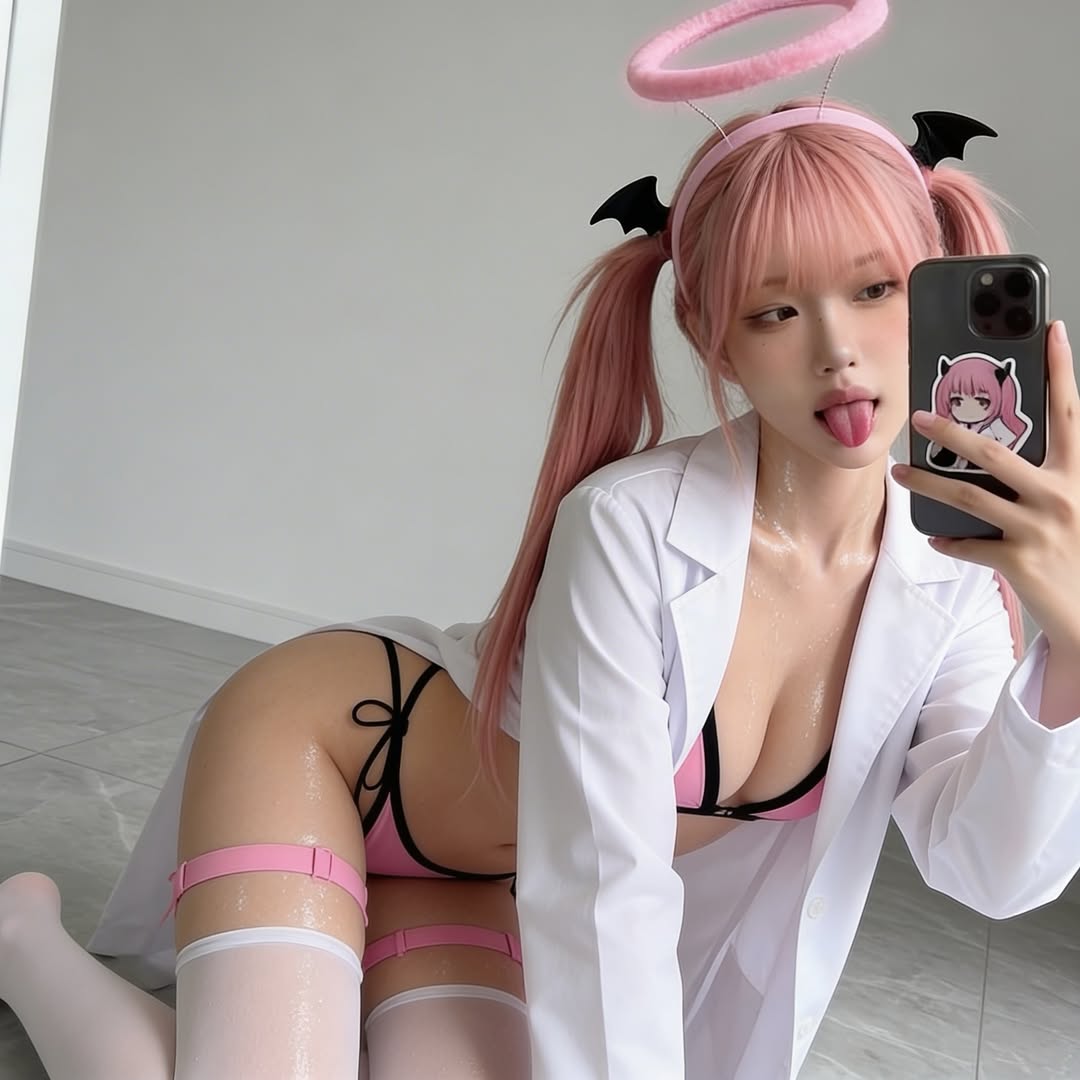
In the fast-evolving world of cosplay and social media, digital identities are becoming increasingly complex. High-end photo editing, AI-enhanced visuals, virtual influencers, and hyper-polished aesthetics often blur the line between fiction and reality. One name that has recently sparked discussion among online cosplay communities is Kim Chisara, known through her Instagram account @kim.chisara.
The growing question circulating among followers and online forums is simple yet intriguing: Is Kim Chisara a real cosplayer, or is she an AI-generated influencer?
This article takes a neutral and investigative approach, examining the rumors, visual evidence, online behavior, and community opinions surrounding Kim Chisara—while avoiding unsupported conclusions and respecting the uncertainty surrounding digital identities online.
Who Is Kim Chisara?
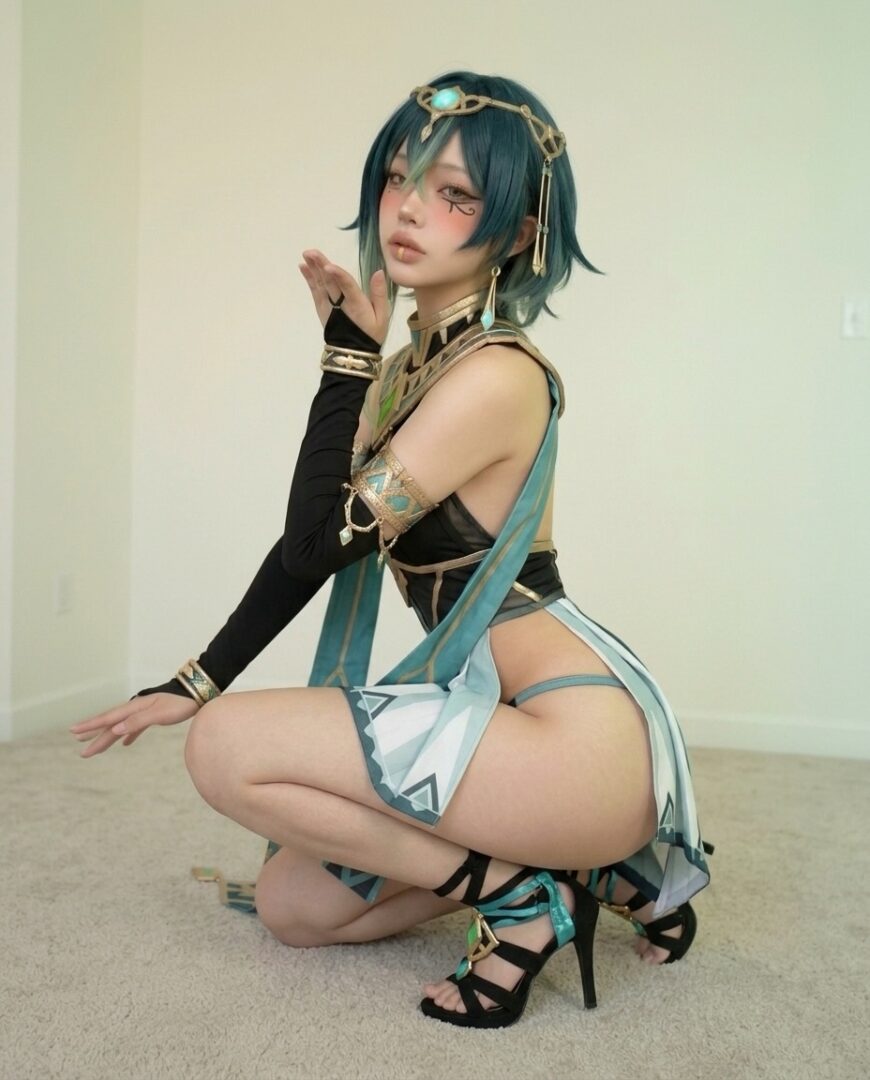
Kim Chisara is widely recognized in cosplay circles for sharing visually striking content featuring anime-inspired fashion, cosplay costumes, and carefully curated photography. Her social media presence has attracted attention due to the highly polished nature of her visuals, cinematic aesthetics, and an appearance that some viewers describe as “almost too perfect.”
Unlike traditional cosplay creators who frequently post behind-the-scenes content, convention appearances, or casual livestreams, Kim Chisara’s online image appears highly curated. This has fueled curiosity among audiences trying to understand whether the account belongs to a real individual, a digitally enhanced creator, or perhaps something entirely different.
Despite online speculation, there has been no verified public statement confirming that Kim Chisara is an AI-generated personality.
Why Are People Calling Kim Chisara an “AI Influencer”?

The rumor largely stems from several recurring observations made by followers and internet communities.
1. Highly Polished Visual Aesthetic
One of the most frequently mentioned reasons behind the speculation is the visual consistency of Kim Chisara’s photographs.
Followers often point out:
- Extremely smooth skin textures
- Symmetrical facial proportions
- Soft cinematic lighting
- Near-perfect makeup presentation
- Consistent visual quality across uploads
To some viewers, this level of polish resembles AI-generated beauty aesthetics commonly seen in synthetic influencer content.
However, this observation alone is not proof of artificial generation. Many professional cosplayers use advanced photography techniques, post-processing software, beauty filters, and professional retouching to maintain a consistent brand image.
Modern editing tools powered by AI also make real photographs appear digitally enhanced without meaning the person is fictional.
2. Limited Behind-the-Scenes Presence
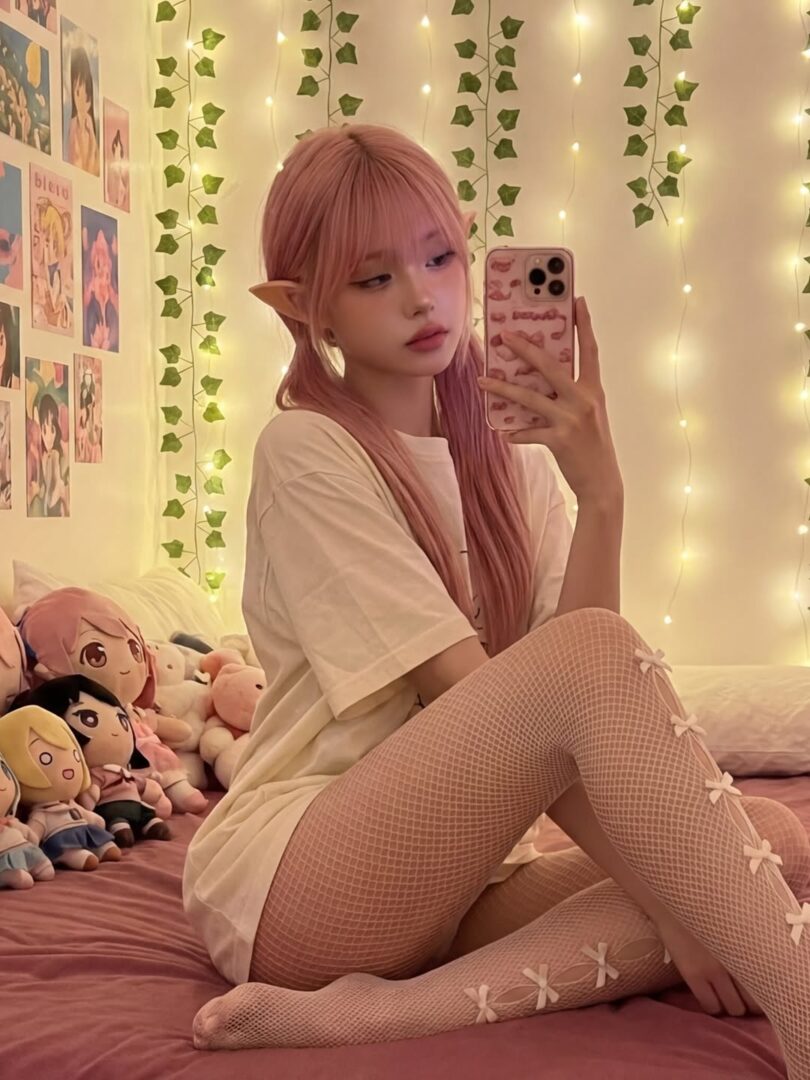
Another factor contributing to speculation is the relative lack of casual or unfiltered content.
In cosplay culture, creators often share:
- Event photos
- Convention appearances
- Costume-making progress
- Casual selfies
- Livestreams or fan interactions
Some observers argue that accounts with mostly polished studio-quality images can feel less “human” or more digitally constructed.
Still, this remains a matter of personal branding. Many influencers intentionally maintain a curated aesthetic and avoid exposing private life details.
Being selective about content does not automatically indicate an AI identity.
3. The Rise of AI Influencers in Social Media
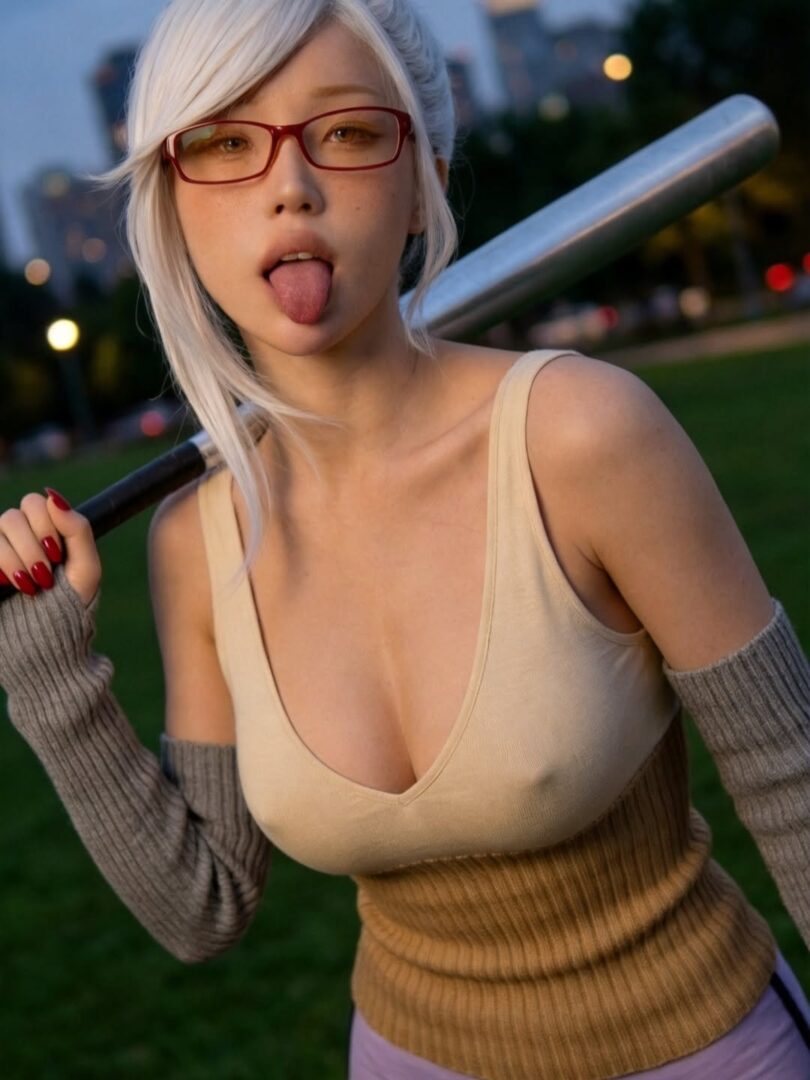
The discussion surrounding Kim Chisara is also influenced by a broader trend.
Over the last few years, social media has seen the rise of AI-generated personalities and virtual influencers. These accounts sometimes feature computer-generated faces, fictional biographies, and highly controlled visual narratives designed to resemble human creators.
Because audiences are becoming more aware of AI-generated content, highly stylized creators are increasingly questioned—even when they are entirely real individuals.
This cultural shift means that “Is this person AI?” has become a common question aimed at many influencers, models, and cosplayers with polished visual branding.
Signs That Suggest Kim Chisara Could Be a Real Creator
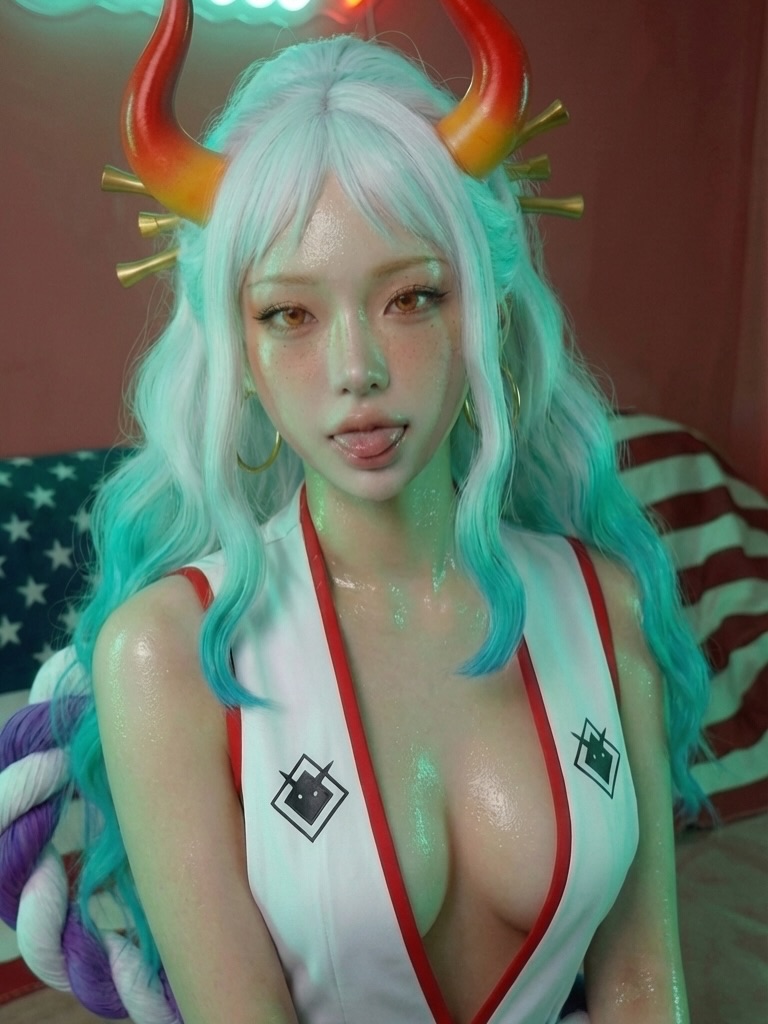
Supporters who believe Kim Chisara is a real person usually point to several observations.
Consistent Cosplay Identity
Kim Chisara appears to maintain recurring cosplay themes and styling choices that suggest long-term creative planning.
Many real cosplayers carefully build visual consistency to establish recognition in competitive online spaces.
Natural Variations Across Photos
While heavily edited, some followers claim subtle changes in lighting, angles, expressions, and poses appear more consistent with photography involving an actual human subject rather than fully AI-generated renders.
AI-generated faces often show inconsistencies when viewed across large content archives, though this technology continues to improve rapidly.
Realistic Costume Details
Some cosplay outfits shown on the account appear to include detailed fabrics, props, textures, and physical environmental interaction that may indicate real photography.
That said, advanced image generation tools are increasingly capable of producing convincing costume realism as well.
Signs That Fuel the AI Rumor
On the other side of the debate, skeptics often mention:
Hyper-Perfection
Some images display unusually smooth textures and highly idealized proportions, which can resemble AI-enhanced visuals.
Limited Public Appearances
Compared with convention-heavy cosplay personalities, there may appear to be fewer publicly documented appearances at major events.
Digital-Looking Composition
Certain followers interpret the framing, lighting, or rendering style as resembling digitally composited images.
Yet these points remain subjective observations, not factual confirmation.
So, Is Kim Chisara AI or Real?
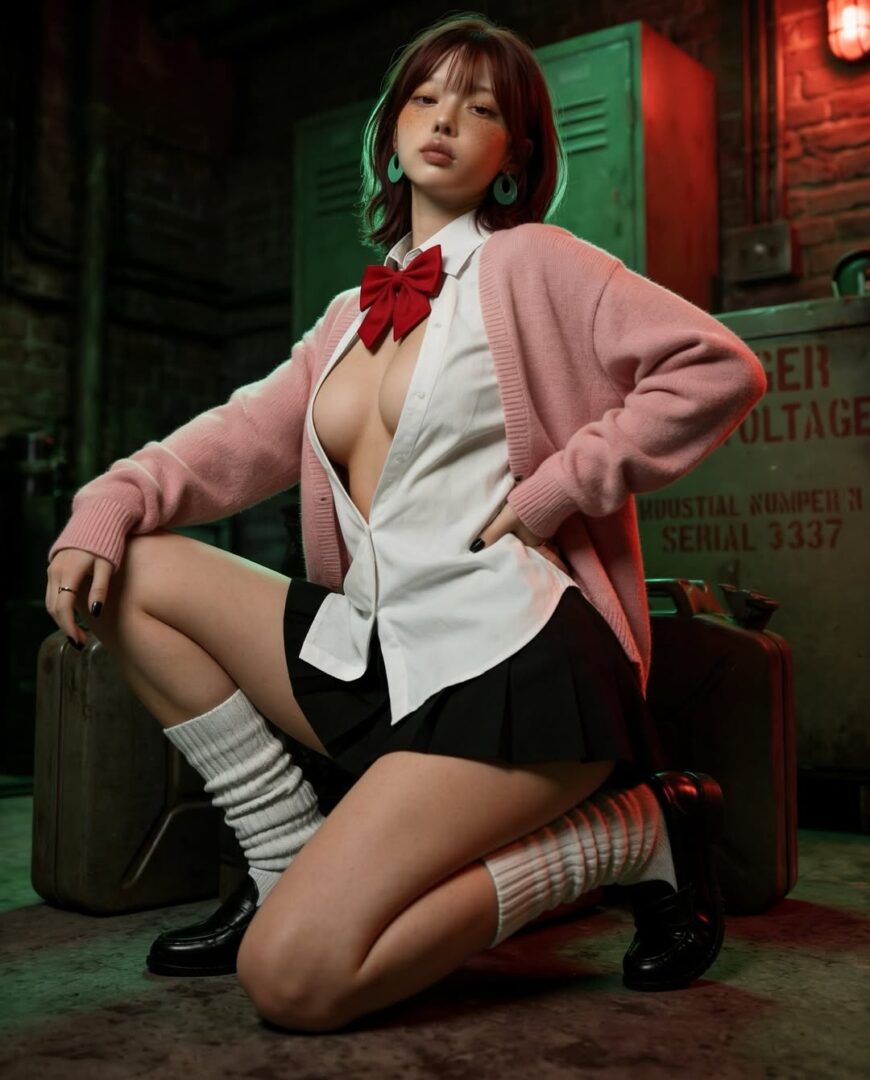
Based on publicly visible information, there is currently no verified evidence proving that Kim Chisara is an AI influencer.
At the same time, the polished nature of the account understandably invites speculation in an era where artificial intelligence increasingly shapes visual culture.
The most balanced conclusion may be this:
Kim Chisara exists in the gray area created by modern digital aesthetics—where professional editing, cosplay artistry, beauty filters, and AI-assisted enhancement can make real creators appear almost unreal.
Until the account owner publicly clarifies their identity or creative process, the question remains open to interpretation.
For now, Kim Chisara may be best understood not as a solved mystery, but as an example of how social media is changing the way audiences perceive authenticity in cosplay culture.
Ultimately, whether real or digitally enhanced, the fascination surrounding Kim Chisara reflects a larger conversation happening across the internet: In the age of AI, how do we define what feels real online?