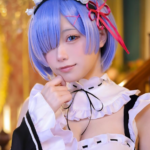
Anime fashion is more than just a visual accessory. It’s a character identity, a symbol of the era, and a cross-cultural inspiration that has shaped cosplay trends for decades. From classic school uniforms of the 90s to hyper-detailed fantasy outfits in the modern era, the evolution of anime costume design reflects the development of the Japanese creative industry as well as the global tastes of its fans.
Let’s explore the journey of anime fashion and how it transformed into a real-world cosplay phenomenon.
The 90s: School Uniforms and Iconic Silhouettes
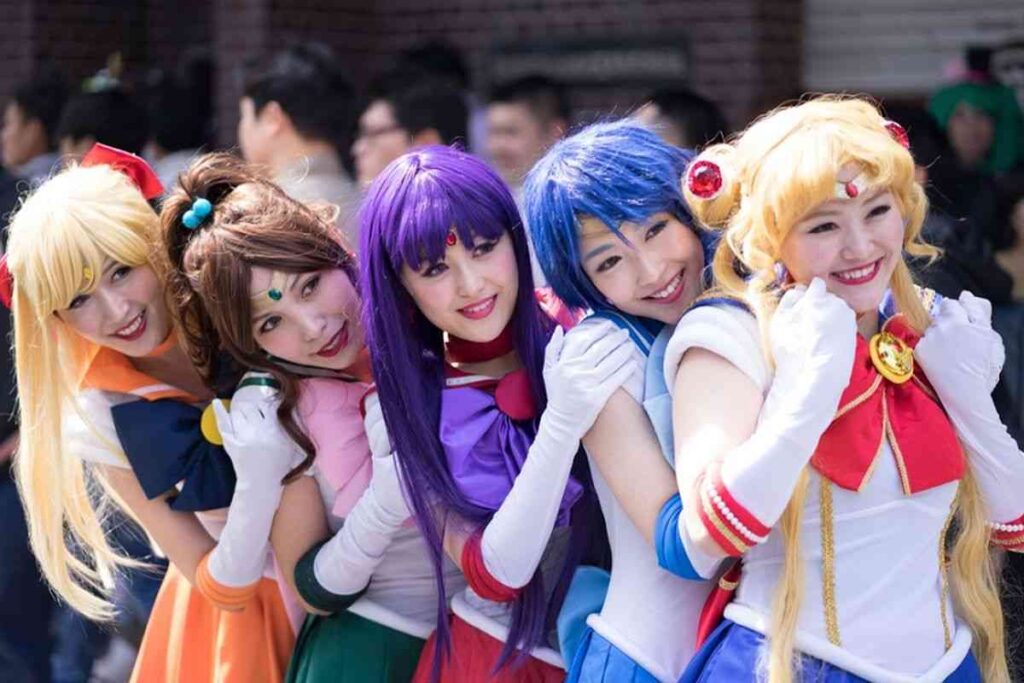
The 1990s were a golden age for anime, with characters instantly recognizable by their clothing. One of the most iconic examples is Sailor Moon. The sailor fuku costume, with its pleated skirt, large bow, and long gloves, became a symbol of girl power for that generation. The design was simple yet visually powerful—easy to recreate, yet still striking on the cosplay stage.
Neon Genesis Evangelion, no less influential, introduced skin-tight, futuristic plug suits and striking color contrasts. These costumes brought a more mature and technical sci-fi feel, sparking the latex and spandex cosplay trend of the time.
Characteristics of this era:
Sharp, recognizable silhouettes
Solid, contrasting colors
Typical accessories (ribbons, gloves, high boots)
School uniforms as a symbol of Japanese cultural identity
Sailor uniforms became a cosplay favorite because they were relatively affordable and remained photogenic at various events.
Early 2000s: Dark Fantasy and Increased Detail
Entering the early 2000s, character designs began to become more complex. Anime like Naruto and Bleach introduced ninja costumes, shinigami robes, and variations of light armor.
Characters like Naruto Uzumaki and Ichigo Kurosaki became cosplay favorites because:
Their costumes remained practical
They had distinctive symbols (Konoha headbands, Zanpakuto swords)
They were easy to modify to suit the character’s version (sage mode, bankai, etc.)
During this era, the cosplay community began to grow rapidly globally, including in Indonesia. Pop culture events featured dedicated cosplay stages, and costume detail began to become a key judging standard.
2010s: High Complexity and Fantasy Dominance
Entering the 2010s, anime with strong world-building gave rise to increasingly intricate costume designs. Examples include Attack on Titan, with its detailed and mechanical military uniforms and 3D Maneuver Gear.
Then came the characters from Demon Slayer: Kimetsu no Yaiba, which combined traditional Japanese motifs with colorful modern designs. Tanjiro’s checkered haori or Nezuko’s gradation costume became a strong visual attraction at cosplay events.
Characteristics of this era:
More complex costume layering
Mixed materials (synthetic leather, resin, EVA foam)
Large-scale armor and props
Cosplay photography is increasingly cinematic
Cosplayers don’t just imitate, but also reinterpret characters with their own personal touches—genderbends, formal versions, and even unique crossovers.
Interview: A Costume Designer’s Perspective
In our imaginary interview with Rika Pratama, a professional cosplay costume designer, she said:
“Modern anime character design requires in-depth research. We don’t just look at color and shape, but also texture, the costume’s function in the story, and how the character moves. The challenge is to keep it comfortable to wear for hours at events.”
According to her, characters with designs that are “balanced” between detail and comfort usually become long-term cosplay favorites. Too simple can look ordinary, while too complex can be difficult to pull off.
Favorite Cosplay Characters and Why They Resonate
Some characters that are consistently popular in the cosplay world include:
Usagi Tsukino (Sailor Moon) – Iconic and nostalgic
Levi Ackerman (Attack on Titan) – Strong charisma and elegant military design
Nezuko Kamado (Demon Slayer) – A combination of cute and mysterious
Naruto Uzumaki (Naruto) – A symbol of struggle and character growth
Why do they resonate globally?
Strong visuals – Silhouettes are easily recognizable even from a distance.
Character emotion – Fans feel connected to their stories.
Flexibility of interpretation – Casual, formal, or crossover versions can be created.
Nostalgic value – Generations have grown up with these characters.
From Screen to Real World
The evolution of anime fashion shows how the Japanese animation industry influences global trends. Cosplay is no longer just a hobby, but a form of artistic expression and self-identity.
At various pop culture events, we can see how classic character designs coexist with innovative modern interpretations. The sailor uniforms of the ’90s may seem simple compared to today’s fantasy armor, but both hold a special place in fans’ hearts.
Anime fashion continues to evolve—and with it, the world of cosplay will continue to grow, become more creative, and more diverse.